
Here in the 2020s, most people probably think of photography less as a skill and more of a feature. You get better pictures, the thinking goes, mostly by buying a better phone or camera, not by learning how to use the camera you have. Sure there are pros out there taking better-than-average pictures, but aren’t they just buying the expensive cameras and expensive software and using all the tricks?
The idea of learning photography seems about as hipsterishly old fashioned as learning how to drive a stick shift. Maybe photography took some skills 50 years ago, but now it’s so easy that we’re all swimming in photos that we’ve taken with our phones and drowning in a social media ocean of them. With AI, maybe you don’t even need a camera at all to make the image you want.
Before smartphones, the obvious reason to learn some photography skills was to avoid losing a moment with a photo that didn’t come out. That reason is long gone. But there is another reason that was always just as important and is maybe even more relevant than ever in the era of social media and AI-generated images.
Learning photography teaches us to see and appreciate the world around us more clearly. It trains the mind to see more consciously, rather than passively taking it all for granted. It’s a rewarding form of active mindfulness that works even if you never show a single photo to anybody else. And the skills you learn, and your new way of viewing the world, will also lead to taking photos that don’t just look better but are more meaningful to you and to others. That’s something the typical instagram photo or AI-generated image can’t replicate.
Let me try to explain how it happens.
Making choices, in the era when you had to
In the old days of manual film cameras, you were forced to make lots of choices in how you set up and used the camera.
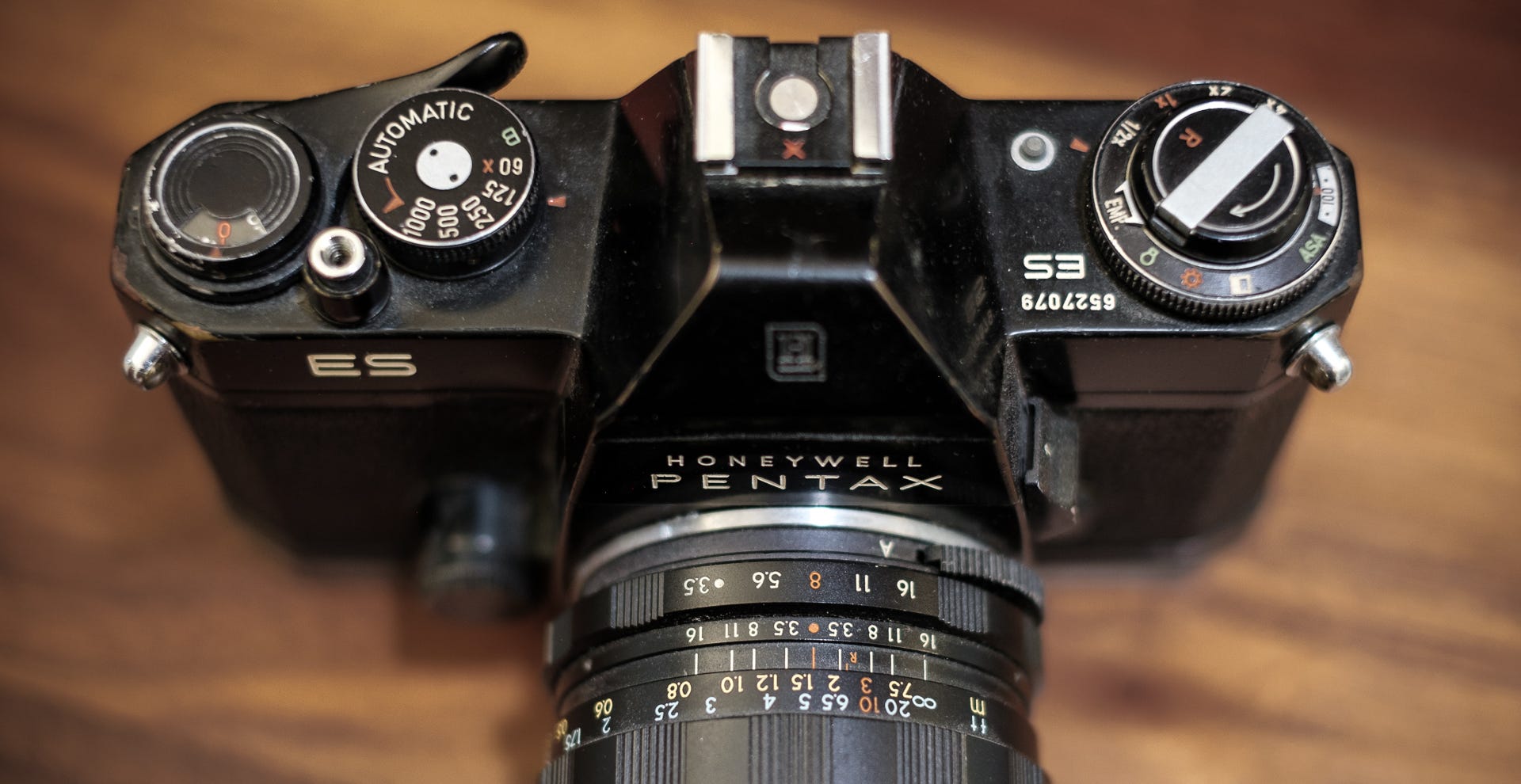
Before you even left home, you had to choose the right lens and a film with the right speed and color profile for your subject. Then before you triggered the shutter, you had to carefully set all of the knobs and wheels: your lens focal length, your shutter speed, your aperture, your focal point. You carefully (but quickly!) choose how you wanted to frame the shot. Once you made those choices, there was the decisive moment when you recorded a fragment of time to film.
Making the wrong choices meant a missed moment and a waste of film, a picture that was too bright, too dark, out of focus, focused on the wrong thing, smeared out, badly framed, or badly timed. And you wouldn’t even know if you’d screwed up or not until much later when you developed the roll.
So consistently making good pictures meant building a finely-honed intuition about how the camera’s settings and the scene would combine in the resulting photograph. It wasn’t easy, requiring you to think carefully about the camera’s settings at the same time that you considered the scene in front of you. Without that understanding of how every choice you made affected the result, it could feel like a convoluted escape room puzzle to solve just to get a decent photo of your vacation.
“Why couldn’t the camera just figure it out?”, you wished. And across the decades, camera makers got better and better at doing just that. Today, your smartphone’s software deploys an 80’s super-computer’s worth of computation at letting you tap a button and get something that looks decent just about every time.
But by making decent pictures automatic, we also lost something.
Finding meaning in the choices
In the old days, the camera settings were the obvious thing to worry about, but thinking about the scene was every bit as important to success. If you didn’t decide what was important to you about the scene, there was no way you could choose the camera settings. What exactly should be in focus? What exactly should be well-exposed? How do I want to capture motion? What lens should I use, and what angle should I be shooting from?
Peering through the viewfinder, you had to stop taking for granted the rich, immersive, moving, 3D world around you. You had to start imagining how a rich experience would – how it could – be translated into the flattened, filtered, cropped, color-shifted, momentary fragment that would be your photograph after you released the shutter and developed your roll of film.
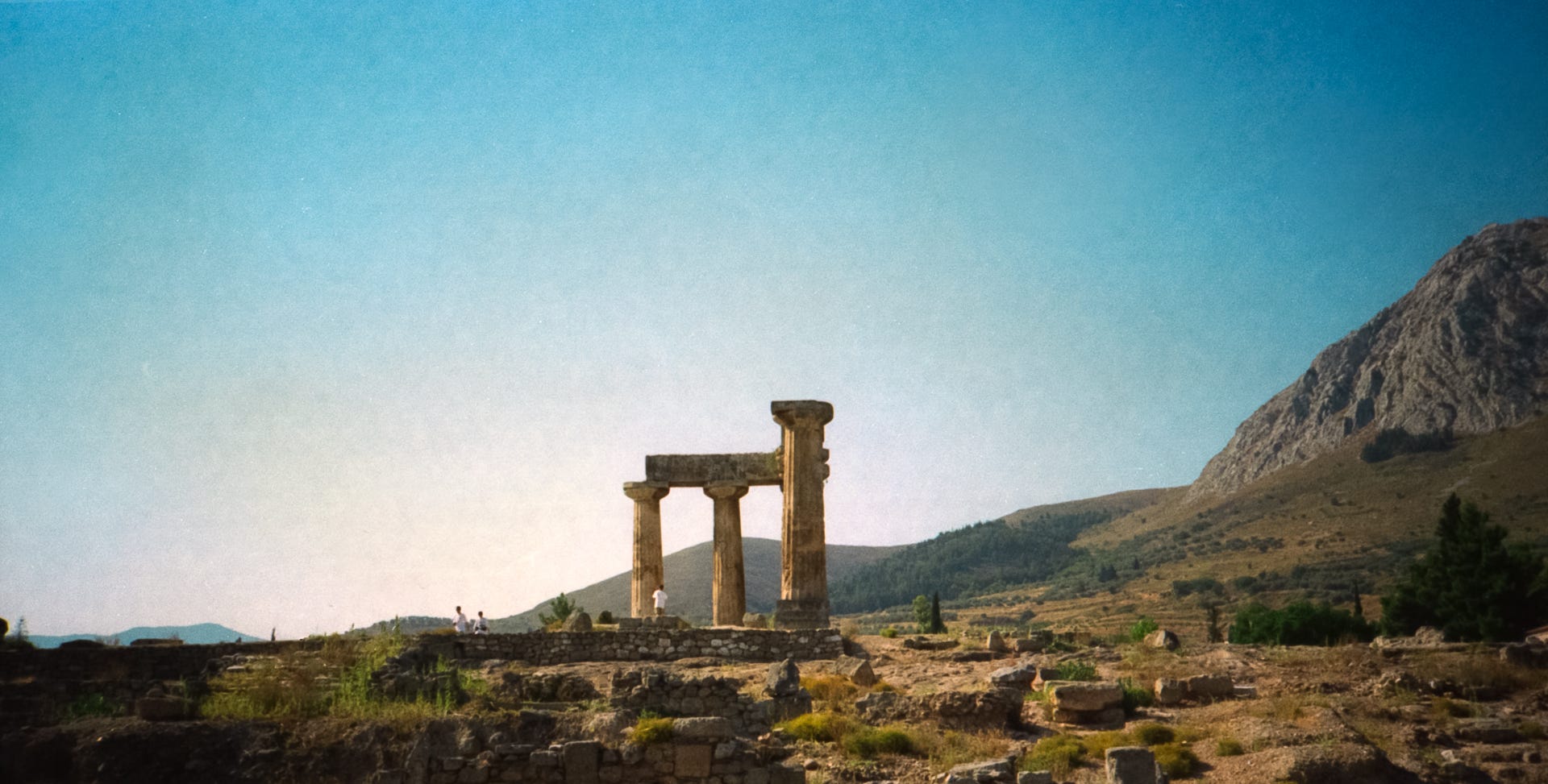
When you take a few thousand photos this way, trying out different settings and paying closer attention to what you’re seeing, you find that it changes how you think. If you’re continuously deciding what’s important about a scene, you think more clearly about your purpose for taking the photo in the first place. Maybe it’s preserving a feeling for yourself. Maybe it’s telling a story or making a statement to others. Maybe it’s conveying a particular kind of rare beauty. What exactly is it about the live, multi-sensory experience you’re having in this moment that is meaningful and that you want to try to distill down and capture in a little flat rectangle?
What’s happening is you’re learning to actually see the world again, rather than just being aware of its contents. Your brain automatically wants to categorize and simplify, but seeing means paying attention to the rich complexity of the whole. Seeing means you’re not just aware that there’s a mountain or a busy street corner, you notice the delicate geometric interplay of sunlight and ancient craggy lines on the mountain or the way that the crowd flows around that one stationary person on the street corner staring into the distance. You forget the contents and categories of the scene and start seeing what’s really there.
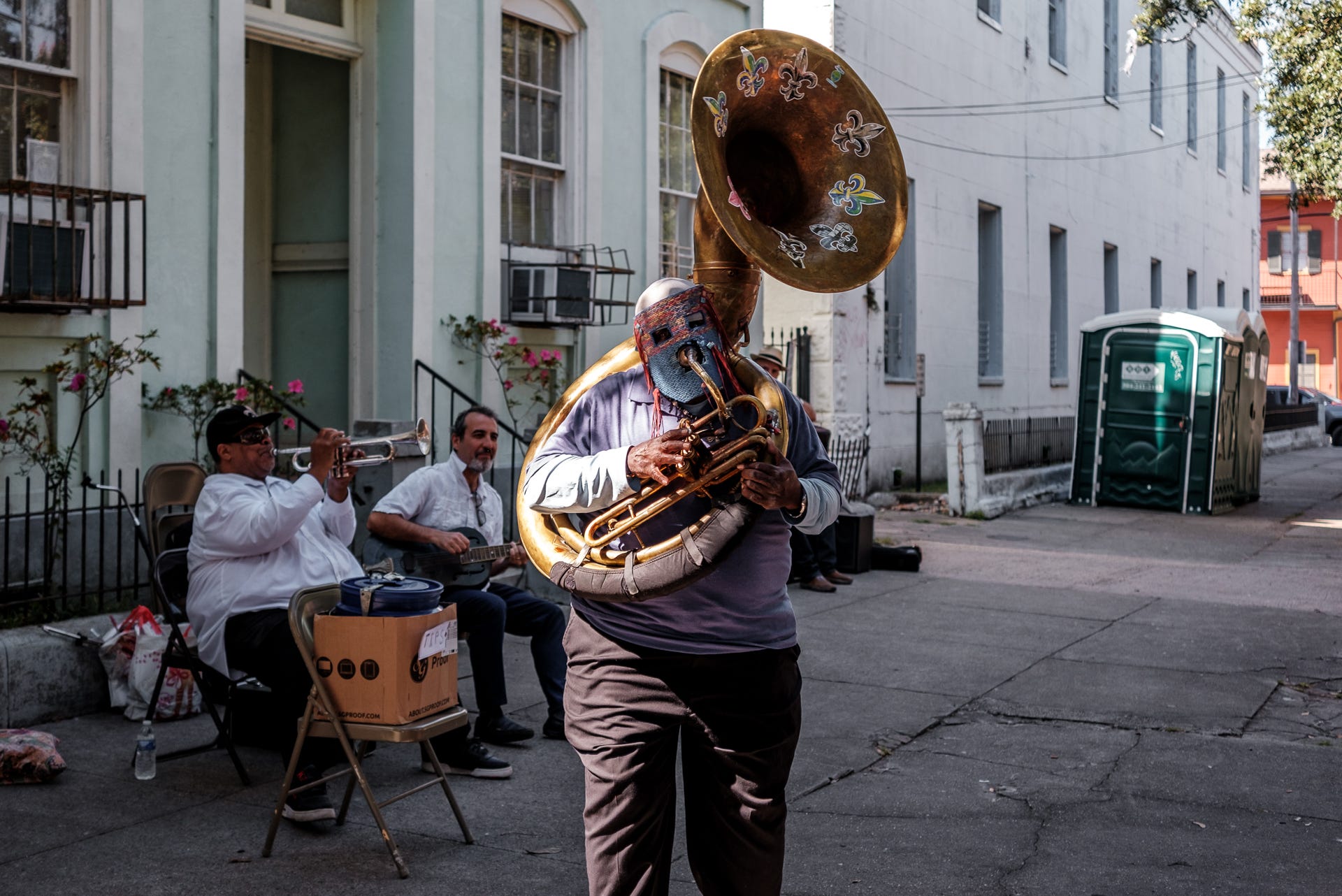
Learning to see means that you can choose what to capture in your pictures so that they have meaning, no matter if you’re commercial photography, putting art photos in galleries, or just shooting for yourself and friends to save memories.
Meaning makes better pictures
Once you learn to see again and start thinking about your purpose for a photo, you can start using the camera’s tools to better achieve that purpose, rather than to just avoid a bad photo. By learning how photography works and making conscious choices about focus, exposure, framing, perspective, timing, color, and more, you can direct the viewer’s attention, convey movement, emphasize emotion, and throw subtle things into relief. You can begin to translate what’s important about a scene into a constrained 2D fragment that carries much more meaning than just a thoughtless snapshot.
Learning the fundamentals of how your camera works, and the choices you can make with it, creates a virtuous cycle: You pay attention to the results of the choices you make in the camera, and you learn to see and find meaning in scenes so you know what choices to make. You see clearly what it is about your view of the mountain or the street corner that inspires you, and you use what you know about the camera’s choices to craft a perfect little rectangle that contains just what it needs to convey a bit of that feeling. Maybe you expose the photo of the mountain so that the illuminated crags stand alone against a field of elemental blackness, or hold a long exposure of the street corner so the crowd becomes a river blurred around the thoughtful one.
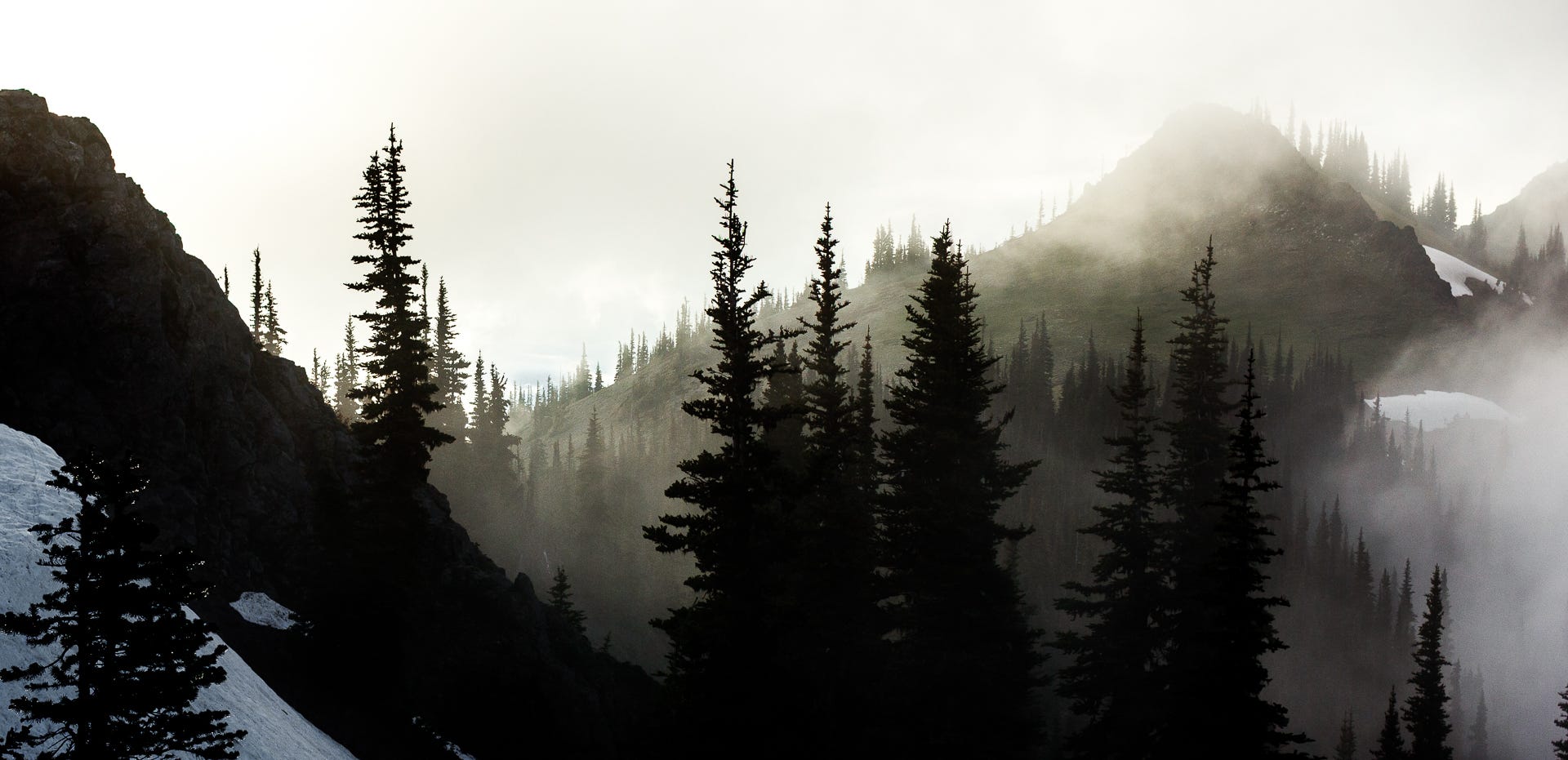
The more you shoot this way the more your photos improve both technically and in their substance, which is so much better than trying to chase other people’s photos. If you try to shortcut to learning a few tricks to make attention-grabbing photos without understanding the fundamentals, you’re just going to end up copying somebody else’s surface style without really knowing why. And if you’re also not learning to see and only shooting the same Instagrammable scenes as everybody else, you almost might as well slop something up with AI; neither the subject nor the style has any meaning to you anyway.
It’s all about learning to see for yourself. Learn what the camera can do, and see for yourself what it does in your pictures. Pay more attention to the world and see for yourself what’s meaningful in it. Connect those things together. Creating the mental habit of finding personal meaning in what you see, whether you’re holding a camera or not, is a wonderful thing and should drive what and how you shoot. I know a guy who shoots motorcycle culture because he’s fascinated by the style and mystique of a rider and machine combined. I know a guy who’s been shooting punk shows for something like 40 years (all on film, all physical prints) because he loves the rawness and energy of that world he’s a part of. That’s the kind of photography that will keep you shooting your whole life, always improving and being more connected to the experiences you have all the while.
Learning the skills of photography will help you regain the ability to see the world for yourself as it really is, and reclaim your photos from the algorithms that can never see in the unique way that you do. Those are the photos that I want to see.